
From 2003 to 2018, the Cassini Imaging Central Laboratory for Operations (CICLOPS) was located at SSI’s Headquarters in Boulder. CICLOPS was the center for uplink and downlink operations for the imaging science investigation on the Cassini mission to Saturn. All images produced by the two telescopic cameras onboard the Cassini spacecraft (the Imaging Science Subsystem) made their way across more than a billion and a half kilometers (1 billion miles) of space to be archived, tagged, and indexed in databases at CICLOPS.
Images taken by Cassini were also selected and captioned for release to the public by the CICLOPS team. Chosen images and movie sequences were processed to ensure quality, including the best possible true color. The final products were posted to the CICLOPS website for distribution to the waiting world. Also posted on the site were imaging news stories, mission events, public discussions, Saturn-inspired artwork, the much beloved 'Captain's Log' written by imaging team leader and CICLOPS director Dr. Carolyn Porco, and more.
The Cassini mission forever changed our view of the Saturn system. Since arriving at Saturn in the summer of 2004, the intrepid spacecraft completed numerous close flybys of Saturn’s moons, providing new perspectives and a wealth of data about this unique planetary system. Cassini monitored powerful lightning-generated radio outbursts and cloud activity produced by giant storms on Saturn that dwarf those on Earth. The Huygens probe landing on haze-shrouded Titan and Cassini’s continuing survey of this moon from space provided tantalizing glimpses of a world that is at once remarkably earthlike yet also frigid and alien. The startling revelation that Saturn's small, icy, geysering moon Enceladus possesses a global, liquid-water ocean, a confirmation resulting from careful analysis of Cassini images of Enceladus, has widened the range of environments that might be hospitable for life.
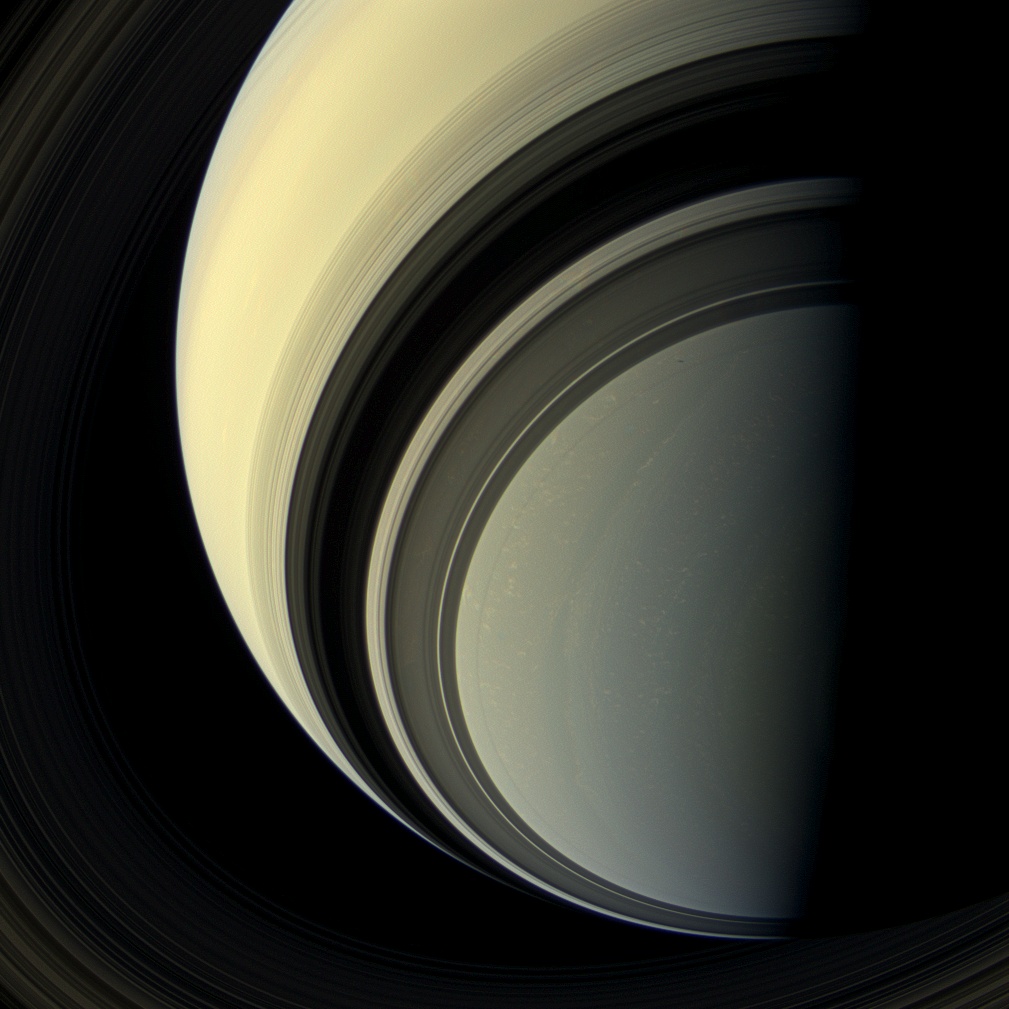
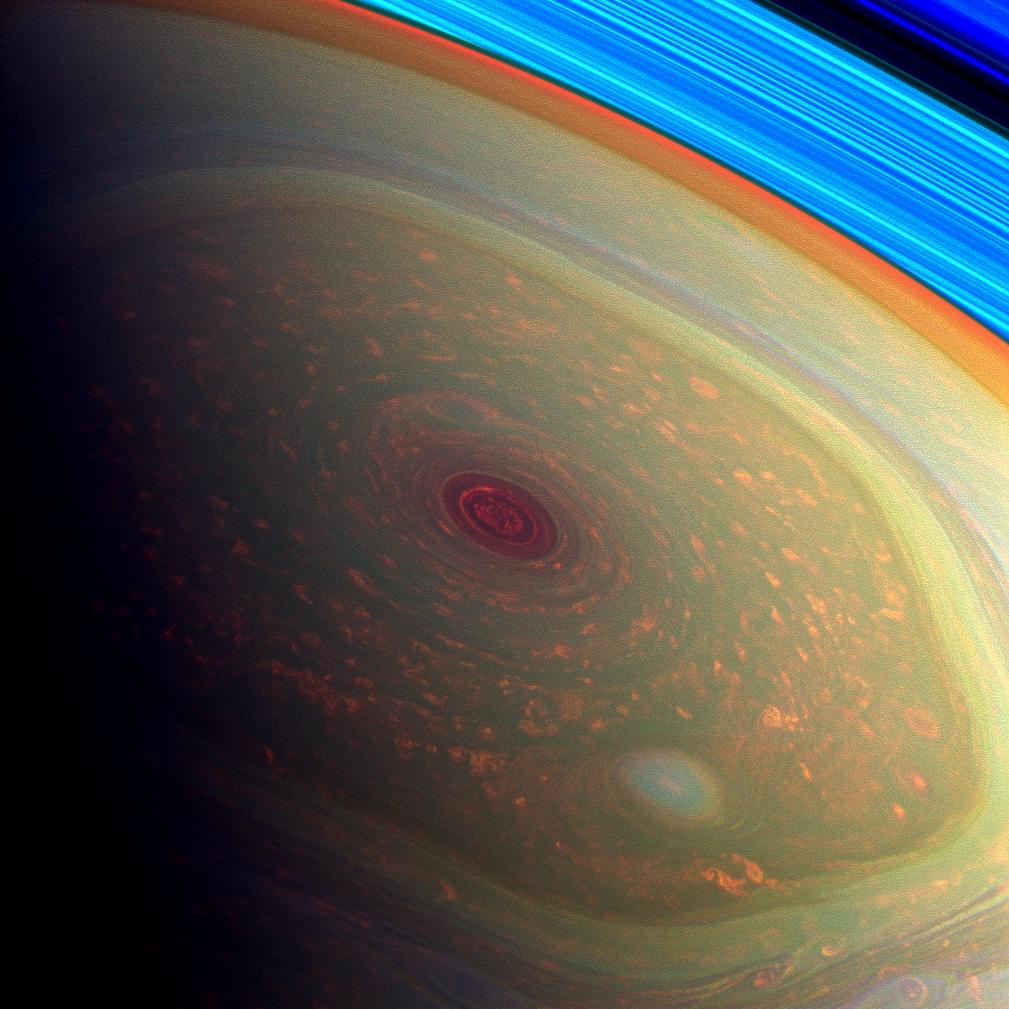
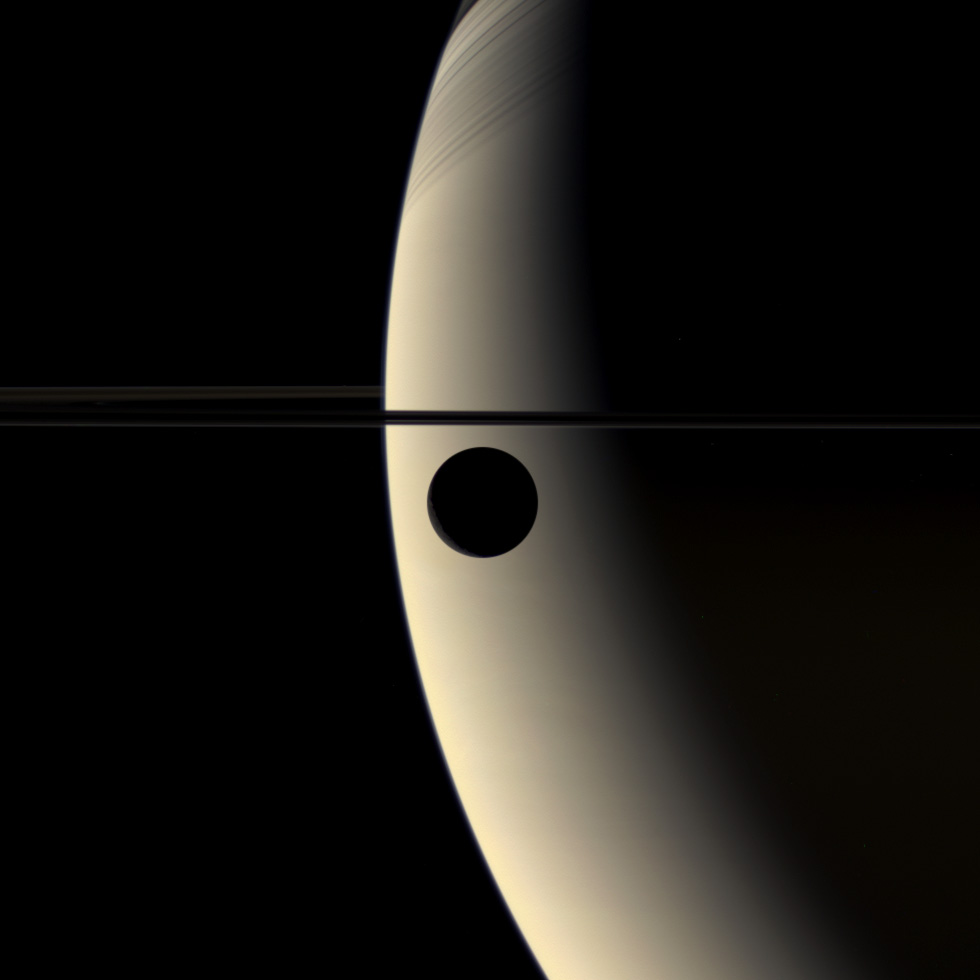
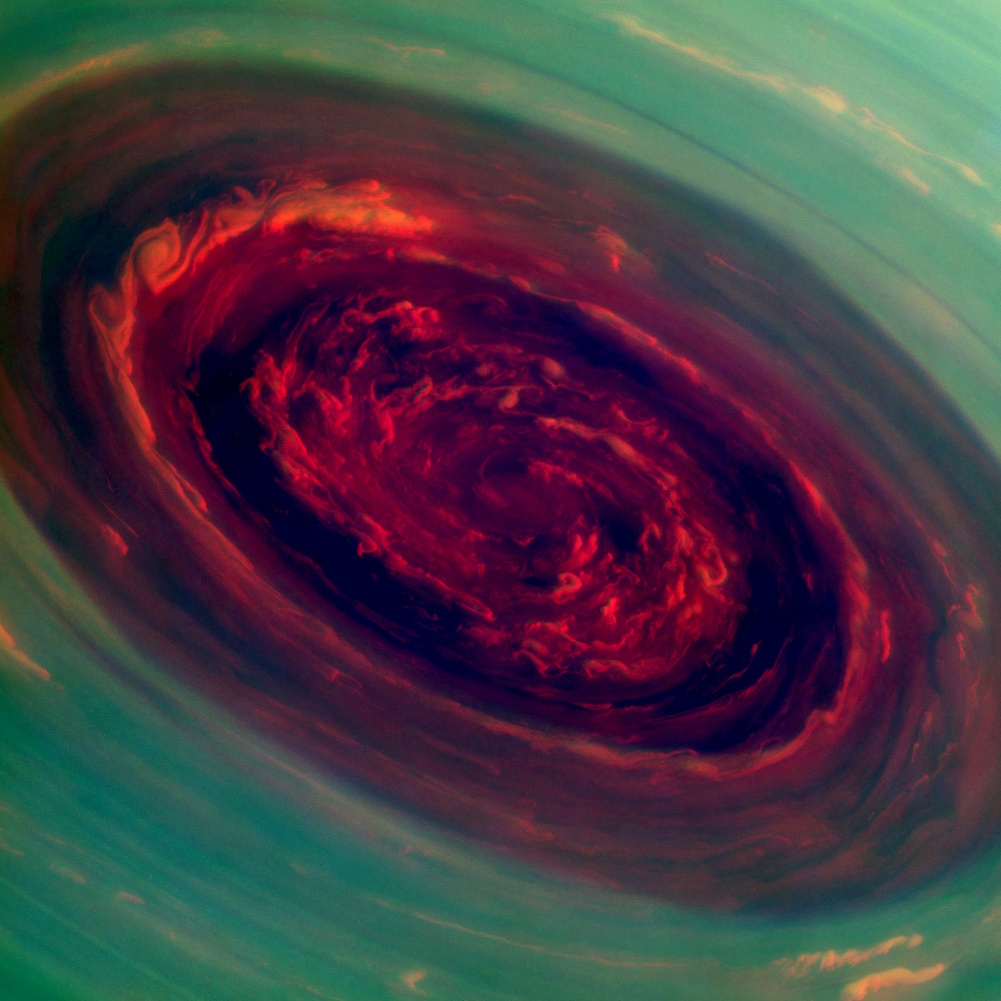
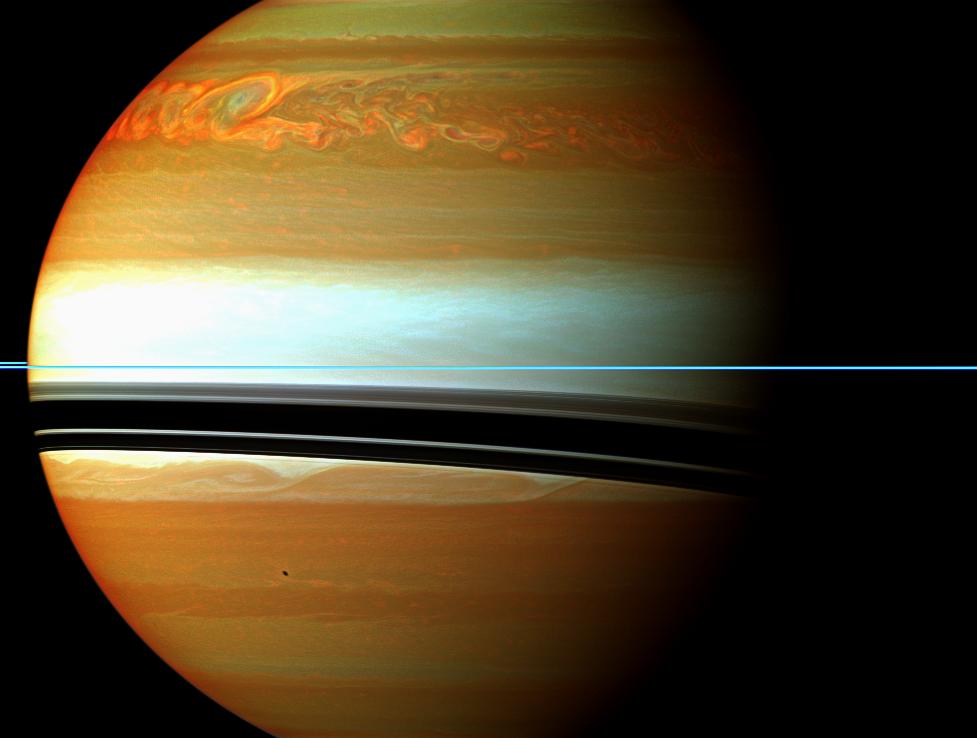
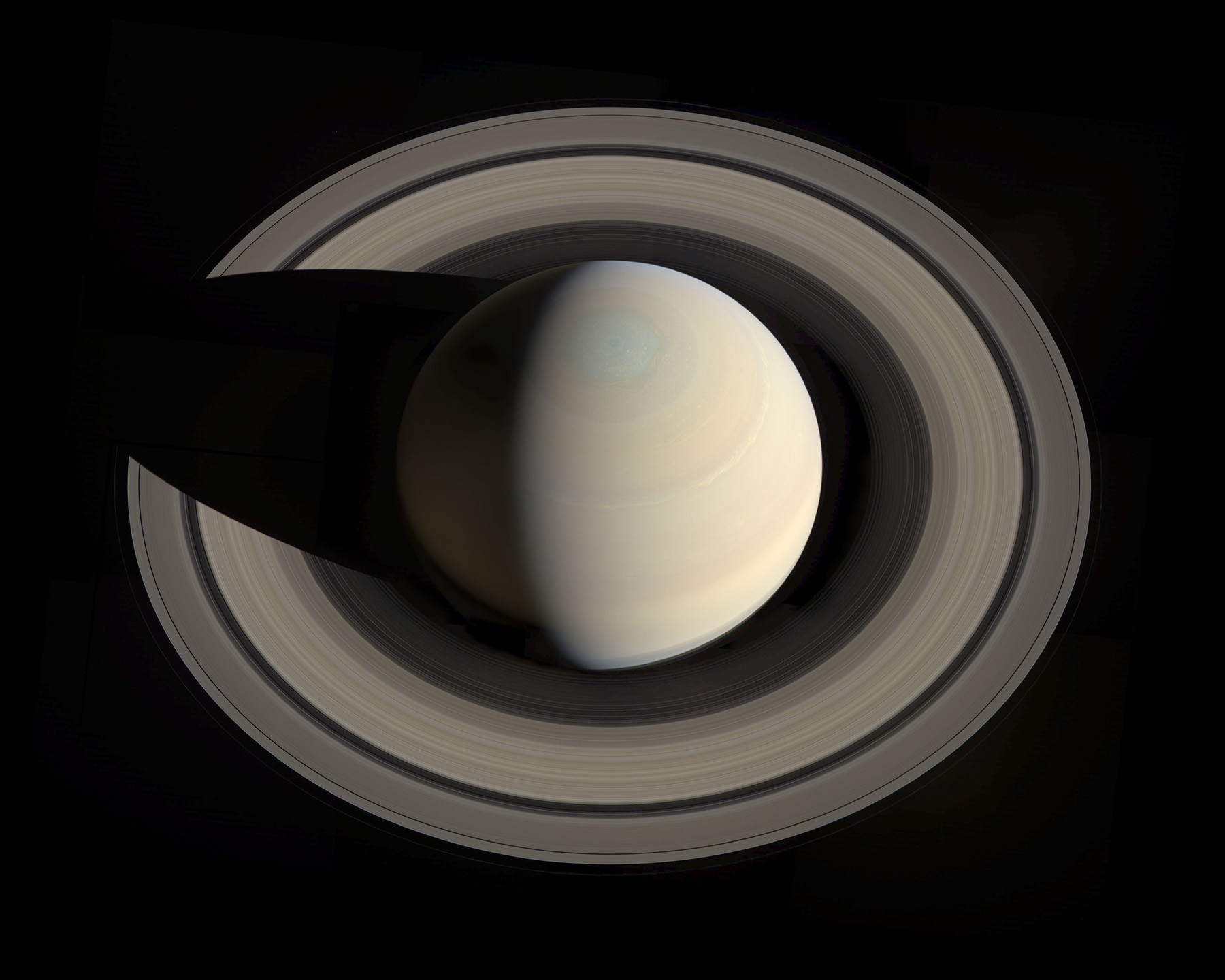
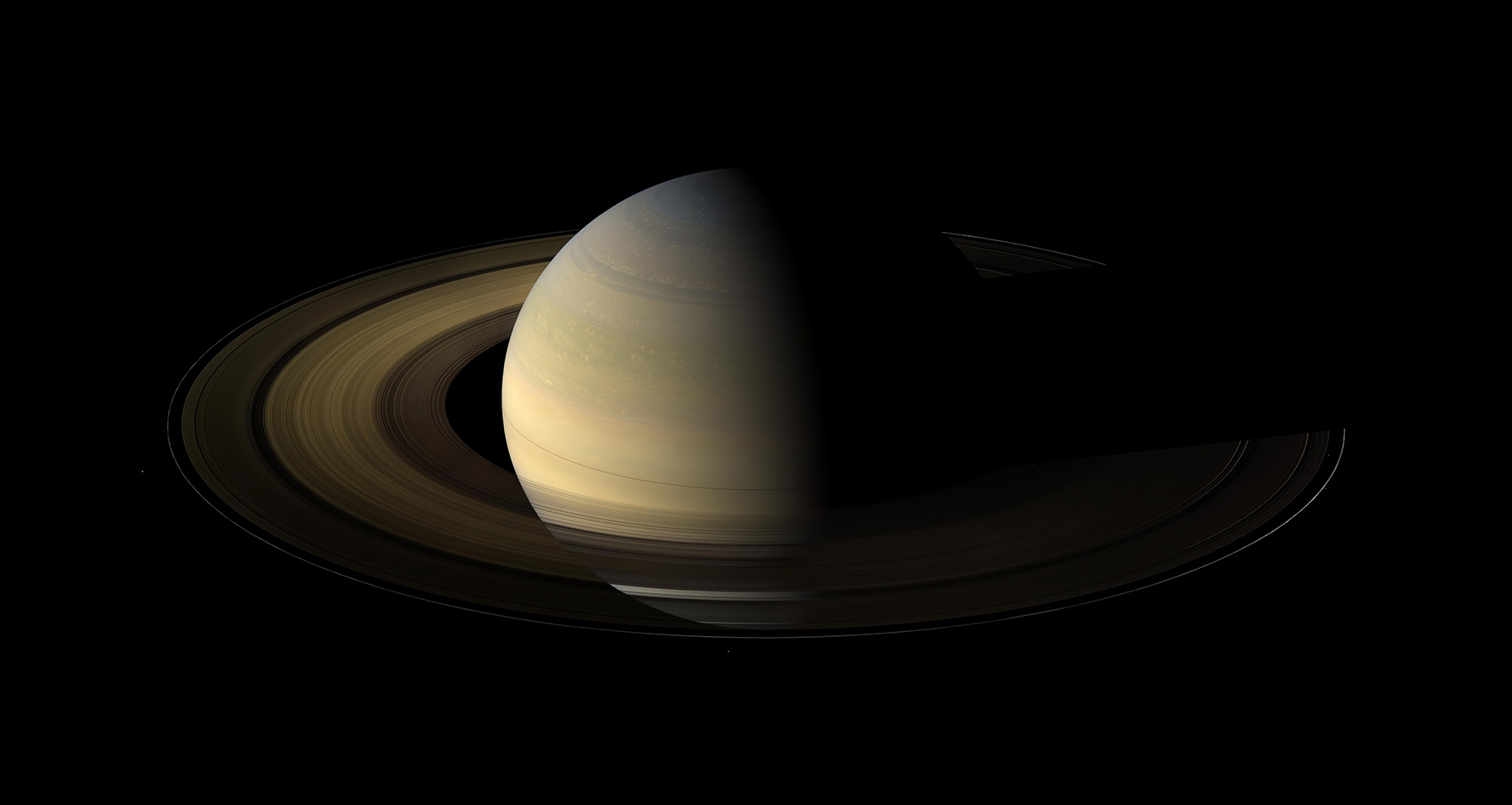
Cassini's landmark exploration of Saturn, its mysterious moons, stunning rings, and complex magnetic environment continued through fall 2017 when the spacecraft was intentionally plunged into Saturn's atmosphere to end the mission.
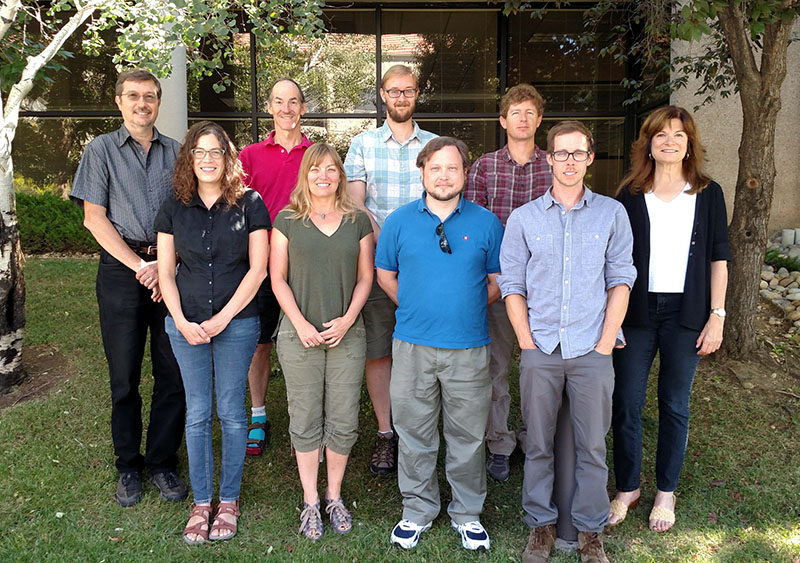
SSI is proud of the hard work and amazing discoveries made by the Cassini CICLOPS team, scientists, and engineers.
The Cassini mission was a cooperative project of NASA, the European Space Agency, and the Italian Space Agency. The Jet Propulsion Laboratory, a division of the California Institute of Technology in Pasadena, managed the mission for NASA's Science Mission Directorate, Washington, D.C.